
Skip to content
Software development

E-commerce development

Online stores and marketplaces that load fast, convert well and scale through every peak season.

Typical budgetfrom $4,000· 3–6 weeks
  • Free 30-minute consultation
  • NDA before any details
  • Reply within 1 business day
What you get

You want an online store that loads fast, sells more and doesn't need a developer for every change. You get a store on Shopify or a custom platform, connected to your stock, payments and accounting.

In e-commerce every second and every click counts. A slow page or a clumsy checkout costs sales; a fast, intuitive store turns visitors into repeat customers.

We build custom storefronts, headless commerce platforms and marketplaces — integrated with payments, inventory, ERP and marketing tools.

This is for you if you…

  • are launching or relaunching an online store
  • lose sales to a slow or clunky checkout
  • re-key orders into stock or accounting by hand
  • sell to businesses with special prices or terms
What we offer

What we can do for you

Every project is different, but these are the pieces we combine most often.

01

Custom online stores

Unique storefronts tailored to your brand and catalogue.

02

Headless commerce

Lightning-fast frontends on Shopify, commercetools or Medusa.

03

Marketplaces

Multi-vendor platforms with commissions and vendor dashboards.

04

Checkout & payments

Frictionless checkout with local and global payment methods.

05

ERP & inventory integration

Sync products, stock and orders with your back office.

06

Personalisation & search

Recommendations and AI-powered search that increase order value.

Pricing

What an online store costs

Typical budgets by scope, so you can plan before we talk. After a free 30-minute call you get an exact quote in writing, before any work starts.

Shopify store

$4,000 – $12,000

3–6 weeks

  • Custom theme in your brand
  • Products, payments, shipping and taxes
  • Apps for reviews, email and analytics

Best for: Brands launching or relaunching online

Custom or headless store

$15,000 – $40,000

2–4 months

  • Fast custom storefront (e.g. Next.js)
  • Headless CMS for content and campaigns
  • Search, filters and a one-page checkout

Best for: Growing brands where speed means sales

Marketplace

from $40,000

4+ months

  • Multiple sellers with their own dashboards
  • Split payments and payouts
  • Reviews, disputes and admin tools

Best for: Multi-vendor and B2B commerce

Prices in USD, excluding taxes. They're typical ranges, not offers: your price depends on scope and is agreed in writing. Not sure which fits? See how we price.

Get your exact quote
Before we build

Decisions we'll make together

These choices shape the cost, the timeline and how the product works for years. We talk them through with you in plain English before any code is written.

  1. 01

    Shopify, or custom?

    Shopify is the right answer for most stores. Custom or headless pays off with complex products, B2B pricing, unusual checkouts or when site speed is costing you sales.

  2. 02

    Payments, tax and shipping

    Payment providers, local payment methods, VAT or GST rules and shipping zones differ by country. We set them up for the markets you sell in from the start.

  3. 03

    How will it connect to stock and accounting?

    Overselling and manual re-keying cost money. We connect the store to your inventory, ERP or accounting tool so orders flow through without copy-paste.

Benefits

Why invest in e-commerce development

  1. 01

    Higher conversion

    Fast pages and simple checkout reduce drop-offs.

  2. 02

    Ready for peaks

    Infrastructure that handles sales events and holidays.

  3. 03

    Connected operations

    Automated order, stock and fulfilment flows.

  4. 04

    Own your platform

    Flexibility to grow beyond template limitations.

Process

How a project with us runs

Clear steps, a demo every week, and no surprises on the invoice.

  1. 01

    1–2 weeks

    Discovery & planning

    Requirements, architecture and a detailed estimate with milestones.

  2. 02

    2–4 weeks

    UX/UI design

    User flows, prototypes and a UI kit validated before development begins.

  3. 03

    2-week sprints

    Agile development

    Working software every sprint, with demos, code review and automated tests.

  4. 04

    1–2 weeks

    QA & launch

    Manual and automated testing across devices, then a monitored production release.

  5. 05

    Ongoing

    Support & growth

    Maintenance, monitoring and new features as your product grows.

Technologies

The tech stack we use, and why

Proven tools chosen for your product, team and budget, not whatever is trending this month. Here's what each one does for you.

Frontend

  • Next.jsReact framework with fast, search-friendly server rendering.

Backend & APIs

  • Node.jsJavaScript on the server: fast APIs and real-time features.

Data & storage

  • AlgoliaInstant, typo-tolerant search as a service.
  • PostgreSQLReliable, powerful database for most business applications.

Cloud & DevOps

  • VercelHosting for fast websites and Next.js apps with instant previews.

Commerce, content & business tools

  • ShopifyLeading e-commerce platform for online stores.
  • MedusaOpen-source commerce engine for custom stores.
  • commercetoolsEnterprise headless commerce platform.
  • StripePayments, subscriptions and invoicing.
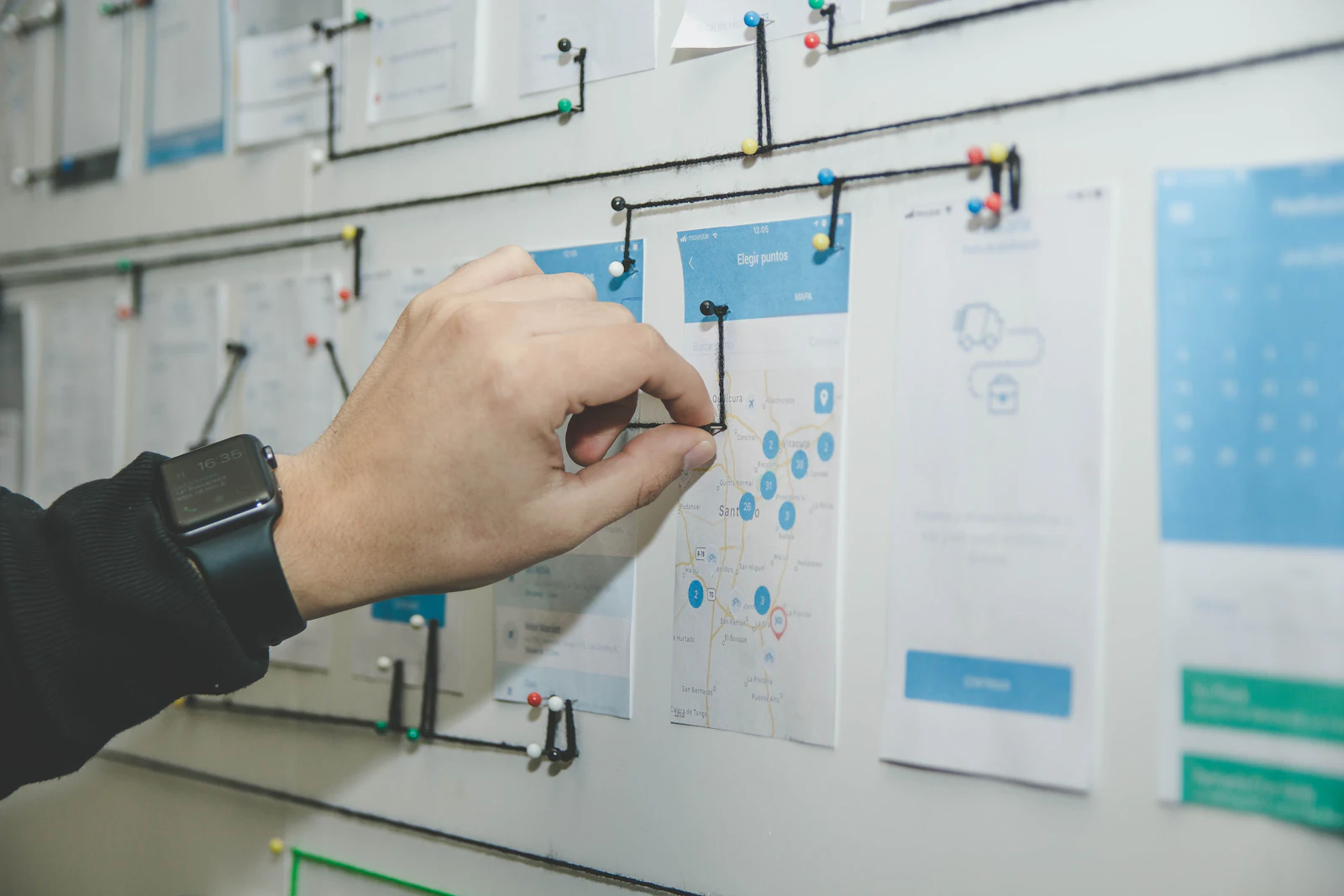
Pinning app screens to a planning wall
Hand sketching app wireframes on paper
The people behind the work

You'll work with people, not a ticket system.

From the first call to launch day, you talk directly to the designers and engineers building your product. Same faces, same team. No hand-offs to strangers halfway through.

  • One team from the first call to launch day
  • A demo every week that you can click through yourself
  • Plain language, clear estimates and no surprise invoices
  • Honest advice, even when it means a smaller project

“If something isn't worth building, we'll tell you. If something goes wrong, you'll hear it from us first.”

— the VavenSoft team

Meet us on a callFree 30-minute consultation · NDA before any details
Our work

Recent work

Projects we've designed and built, and what changed for the people using them.

Sample projectMarketplaceNext.jsSupabaseSentry

Making an AI-built marketplace production-ready

A prototype built with AI coding tools, secured and stabilised: fixed data access, tests on payment flows and automated releases.

Typical timeline
4–6 weeks typical
Team
2 engineers
Plan something like this
Sample projectRetailNext.jsShopifyVercel

Headless online store

A fast storefront with a custom CMS, search and a one-page checkout.

Typical timeline
8–12 weeks typical
Team
3 people
Plan something like this
FAQ

E-commerce development: your questions

Straight answers to what people ask us first: cost, time, ownership and the details that matter. Anything else? Just ask.

How much does an online store cost?

It depends on scope. Typical budgets: Shopify store, $4,000 – $12,000; Custom or headless store, $15,000 – $40,000; Marketplace, from $40,000. After a free 30-minute call you get an exact quote in writing, before any work starts.

How long does an online store take?

Shopify store: 3–6 weeks. Custom or headless store: 2–4 months. Marketplace: 4+ months. You'll see working results in a demo every week, and the proposal includes a timeline with milestones.

Should we use Shopify or a custom platform?

Shopify is a great fit for many stores. A headless or fully custom platform makes sense when you need unique experiences, complex B2B logic or deep integrations. We'll help you compare.

Can you migrate our existing store?

Yes. We migrate products, customers and orders and set up redirects to protect your search rankings.

Do you integrate with our ERP or warehouse system?

Yes. We connect stores to ERPs, inventory, shipping and accounting systems through their APIs.

Can you move our existing store without losing SEO?

Yes. We migrate products, customers and orders, keep or redirect every URL, and check rankings after the switch.

Can it connect to our warehouse or ERP?

Yes, through standard connectors or a custom integration, so stock levels and orders stay in sync automatically.

Who owns the result?

You do. You own the code, designs and documentation once invoices are paid, so you're never locked in to us. Code lives in your own repository from day one.