Sample projectB2B SaaSTypeScriptOpenAIpgvector
Writing copilot inside a CRM
An in-app copilot that drafts updates and replies from account history, with smart search across notes and emails.
- Typical timeline
- 6–8 weeks typical
- Team
- 3 people
In-app copilots, writing and analysis tools, and search that understands what people mean — designed so your users actually rely on them.
Your users spend their day writing, searching and filling in forms inside your product. You get a copilot that writes the first draft, finds the right answer and fills the gaps, so they get more done in less time.
The most successful AI products feel effortless: users describe what they need and the app does the heavy lifting. Getting there takes more than an API key — it takes thoughtful UX, solid engineering and careful cost management.
We design and develop AI-first applications end to end, from interaction design and prompt engineering to scalable backends, payments and analytics.
This is for you if you…
Every project is different, but these are the pieces we combine most often.
In-app assistants that help users write, analyse, plan or configure faster.
Text, image and audio generation workflows with brand and quality controls.
Semantic search that understands intent across products, documents or media.
Recommendations and adaptive experiences driven by user behaviour.
Extract data from PDFs, photos and scans directly in your app.
Subscription products with usage metering, billing and admin tools.
Typical budgets by scope, so you can plan before we talk. After a free 30-minute call you get an exact quote in writing, before any work starts.
$8,000 – $15,000
4–6 weeks
Best for: Validating a copilot idea with real users
$15,000 – $40,000
2–3 months
Best for: SaaS and internal tools with daily users
from $40,000
3–6 months
Best for: Founders launching an AI-first product
Prices in USD, excluding taxes. They're typical ranges, not offers: your price depends on scope and is agreed in writing. Not sure which fits? See how we price.
Get your exact quoteThese choices shape the cost, the timeline and how the product works for years. We talk them through with you in plain English before any code is written.
A chat window is easy to add but easy to ignore. Suggestions that appear right where people work, such as a drafted reply or a pre-filled form, usually get used far more.
Meaning-based search finds what people mean; keyword search still wins for codes and names. Most products need both, ranked together, and we tune it on your real queries.
We agree the measure upfront, such as suggestions accepted, time saved per task or searches that end in a click, and put it on a dashboard from day one.
Interfaces designed for streaming responses, edits and feedback loops.
Caching, model routing and usage limits keep unit economics healthy.
Proven building blocks get your first version into users' hands quickly.
Cloud infrastructure that grows from first users to millions of requests.
People only use AI they trust. These safeguards come with every AI system we build, not as an upsell.
We use enterprise APIs with zero data retention, private deployments or open-source models — your data never trains third-party models.
Input and output filtering, prompt-injection defences and human approval for sensitive actions.
Every prompt, tool call and decision is logged and traceable for audits and debugging.
Automated evaluation sets track accuracy, latency and cost before and after every release.
Architectures designed to support GDPR, HIPAA and SOC 2 requirements and your internal policies.
A model-agnostic design lets you switch between OpenAI, Anthropic, Google or open-source models.
Clear steps, a demo every week, and no surprises on the invoice.
1–2 weeks
We map your workflows and data, then pick the use cases with the clearest return on investment.
2–4 weeks
A working proof of concept with an evaluation set, so quality is measured — not guessed.
4–12 weeks
Secure architecture, integrations, guardrails, monitoring and a polished user experience.
Ongoing
We track accuracy, latency and cost after launch and keep improving the system.
Proven tools chosen for your product, team and budget, not whatever is trending this month. Here's what each one does for you.
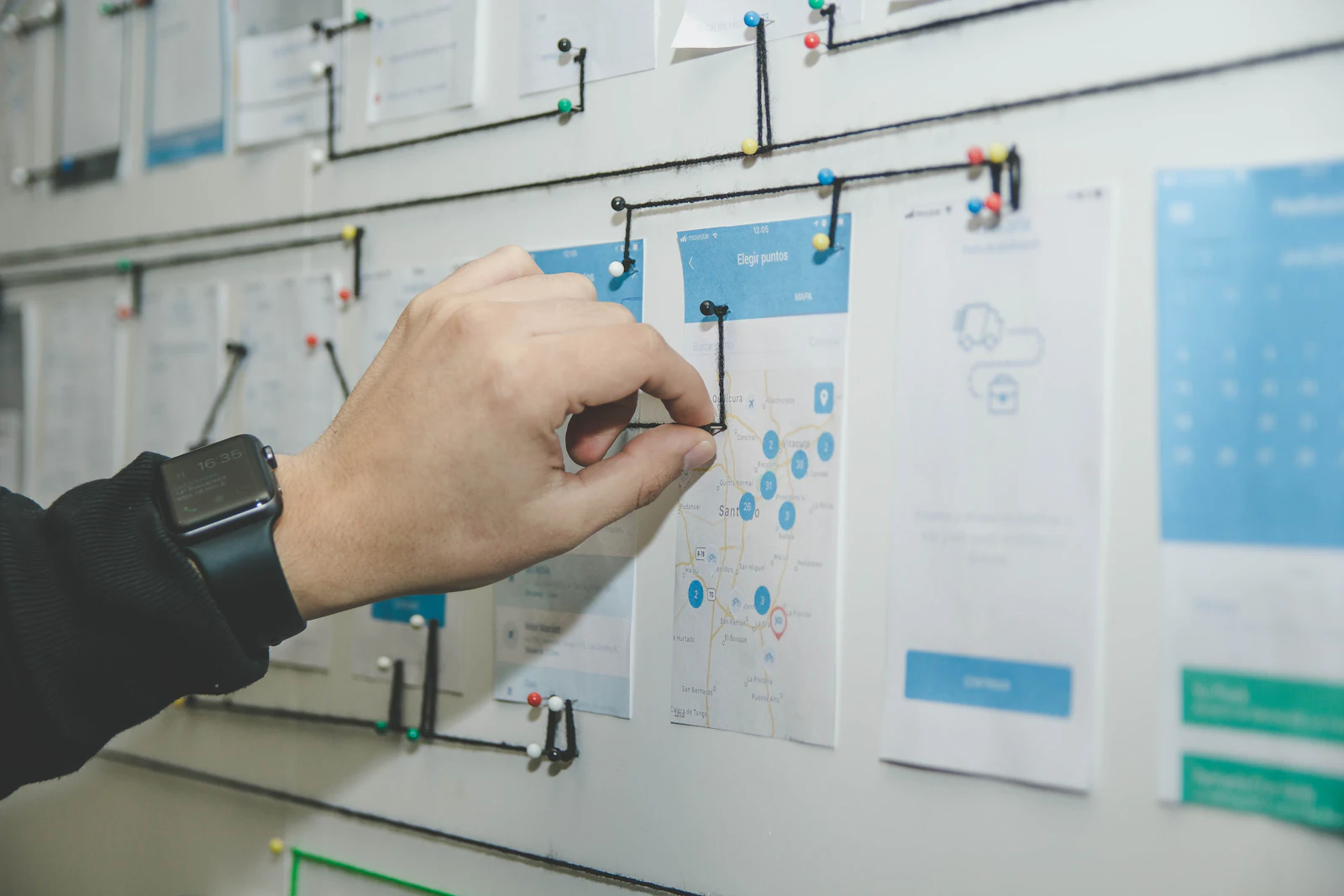

From the first call to launch day, you talk directly to the designers and engineers building your product. Same faces, same team. No hand-offs to strangers halfway through.
“If something isn't worth building, we'll tell you. If something goes wrong, you'll hear it from us first.”
— the VavenSoft team
Projects we've designed and built, and what changed for the people using them.
An in-app copilot that drafts updates and replies from account history, with smart search across notes and emails.
NovaSignal
A multi-agent trading platform: AI agents read the market, a risk agent signs off every trade, and orders run on dYdX.
Straight answers to what people ask us first: cost, time, ownership and the details that matter. Anything else? Just ask.
Copilot pilot: 4–6 weeks. Production copilot: 2–3 months. Standalone AI product: 3–6 months. You'll see working results in a demo every week, and the proposal includes a timeline with milestones.
You do. You own the code, designs and documentation once invoices are paid, so you're never locked in to us. Code lives in your own repository from day one.
We cache common requests, route simple tasks to smaller models, set per-user limits and monitor spend per feature, so costs grow predictably with revenue.
Yes. We often build a shared backend with web and mobile clients, using React and React Native to reuse logic and speed up delivery.
Absolutely. Our designers create the UX and UI for AI interactions — one of the biggest factors in whether users trust and adopt AI features.
Yes. It can fill forms, create records or update settings, always showing the user what it will do and asking them to confirm.
No. We design buttons, suggestions and templates so people get good results without writing clever prompts.